
About
Built by the scientists who made nanoscale tissue imaging work.
Magnephy turns ten years of peer-reviewed nanoscale 3D imaging in intact tissue into imaging services pharma R&D programs use today. Founded in Stockholm, Sweden, by the scientists who developed the method.
Our vision
Improving human health by unlocking the nanoscale.
Drug development is built to scale: more candidates, more targets, more throughput. We are built for precision. Magnephy resolves whether a candidate reaches its target and how tissue responds, at the nanoscale, in 3D.
We do the rigorous, unglamorous work that decides a program, so the candidates that deserve to advance do, and safe medicines reach the patients who need them. We are here to build lasting change in how drug candidates are evaluated.
Team
The team.
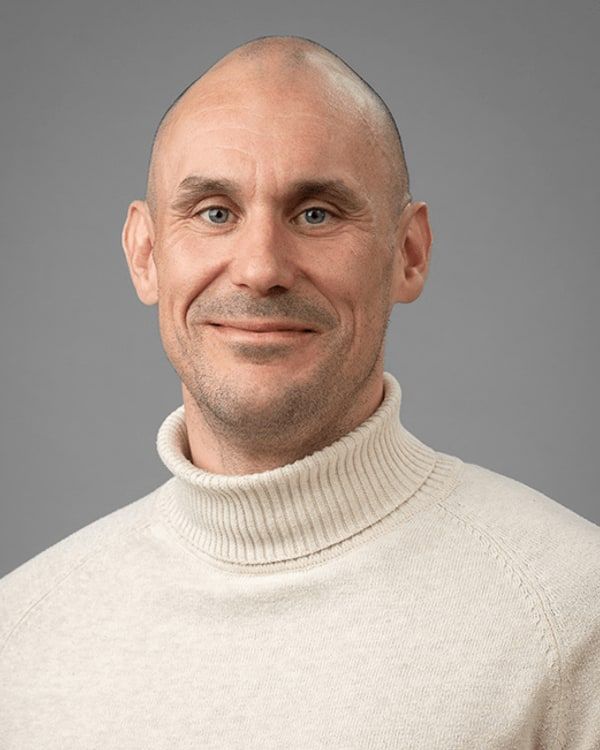
Leads Magnephy's imaging platform and protocol development. PhD in Applied physics from KTH and Postdoctoral researcher at Karolinska Institutet.

Transforming preclinical drug evaluation through nanoscale precision to improve the lives of patients. Medical doctor and Doctoral researcher from Karolinska Institutet.
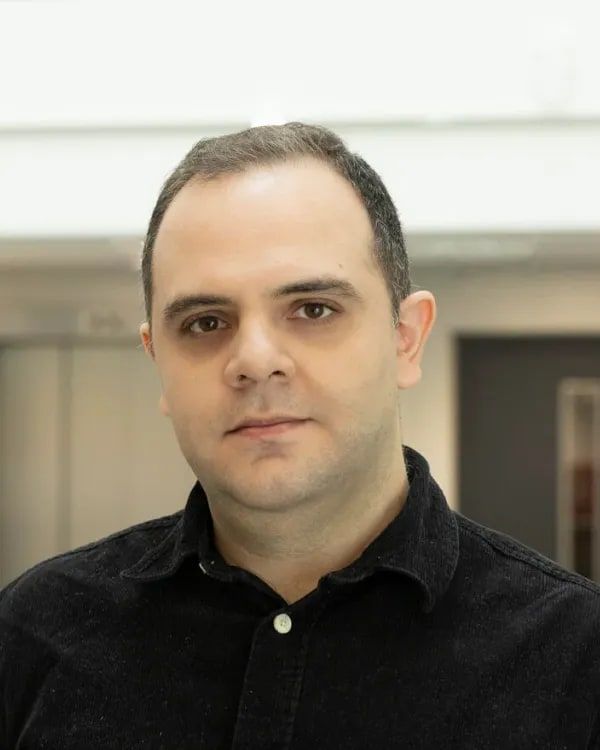
Builds the AI architecture and analysis pipeline that turn nanoscale images into decision-grade data. Doctoral researcher in AI/ML from the University of Cologne.
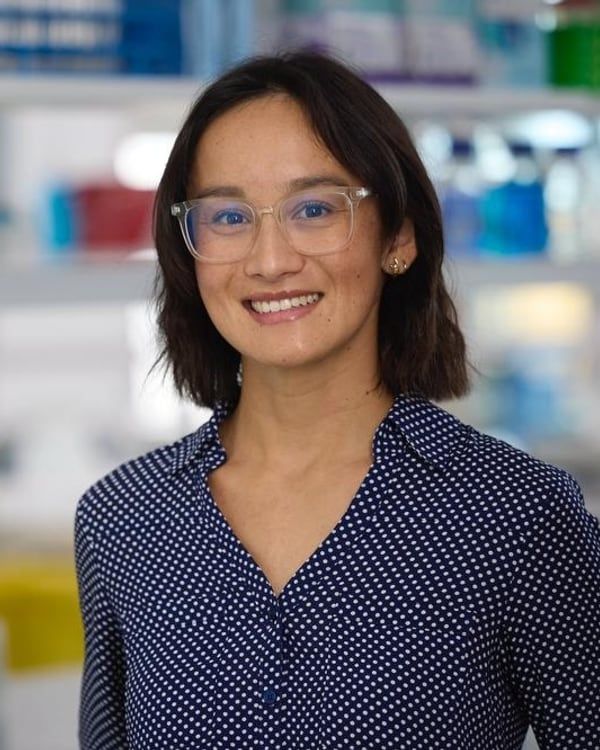
Develops Magnephy's partnerships across pharma R&D and academic research. PhD in pharmacology and structural biology from Karolinska Institutet.
Scientific advisors
Advisors.

Head of SciLifeLab's Integrated Microscopy Technologies unit. Docent in Biological Physics at KTH.

Professor of Medicine; Chairman, Department II Internal Medicine, University of Cologne.
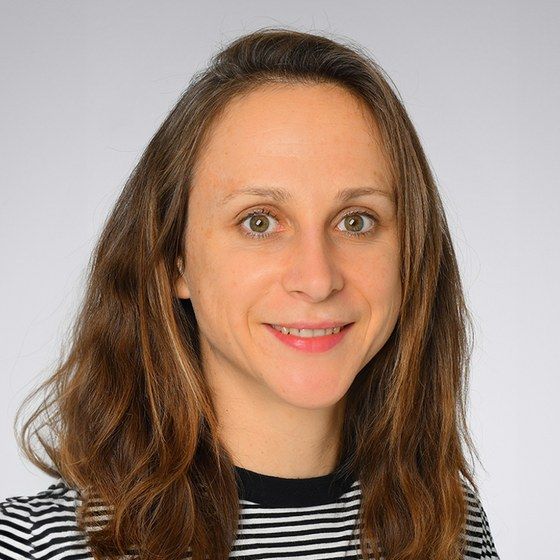
Professor of Data Science for Bioimages and Bioinformatics, University of Cologne.
Origins
Where Magnephy comes from.
Magnephy is a SciLifeLab spin-off, with founders from Karolinska Institutet, KTH Royal Institute of Technology, and Cologne University. The underlying methodology is backed by nearly a decade of peer-reviewed research, published in reputable journals such as Kidney International.
See the evidence →